
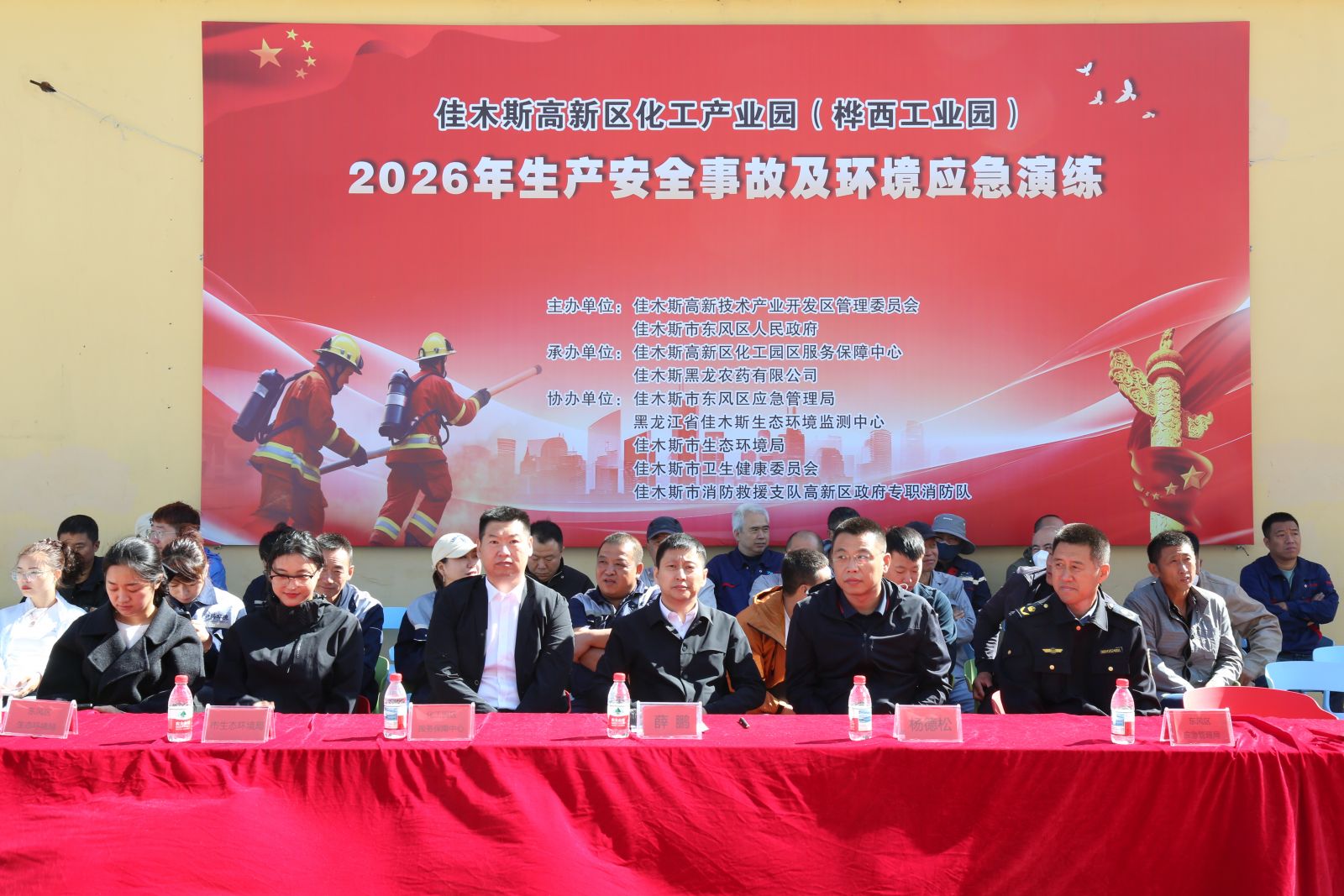
Comprehensive Emergency Rescue Drill for Toluene Leakage and Fire Incident Conducted by Jiamusi Heilong Pesticide Co., Ltd.
In order to comprehensively enhance the collaborative emergency response capability of the enterprise and test the rapid and efficient response mechanism for handling unexpected incidents, Jiamusi Heilong Pesticide Co., Ltd. has organized a comprehensive emergency rescue drill centered on a "toluene leakage and fire incident," in accordance with the Emergency Response Law of the People's Republic of China, the Work Safety Law of the People's Republic of China,and the Measures for the Administration of Emergency Plans for Production Safety Accidents, among other relevant regulations.
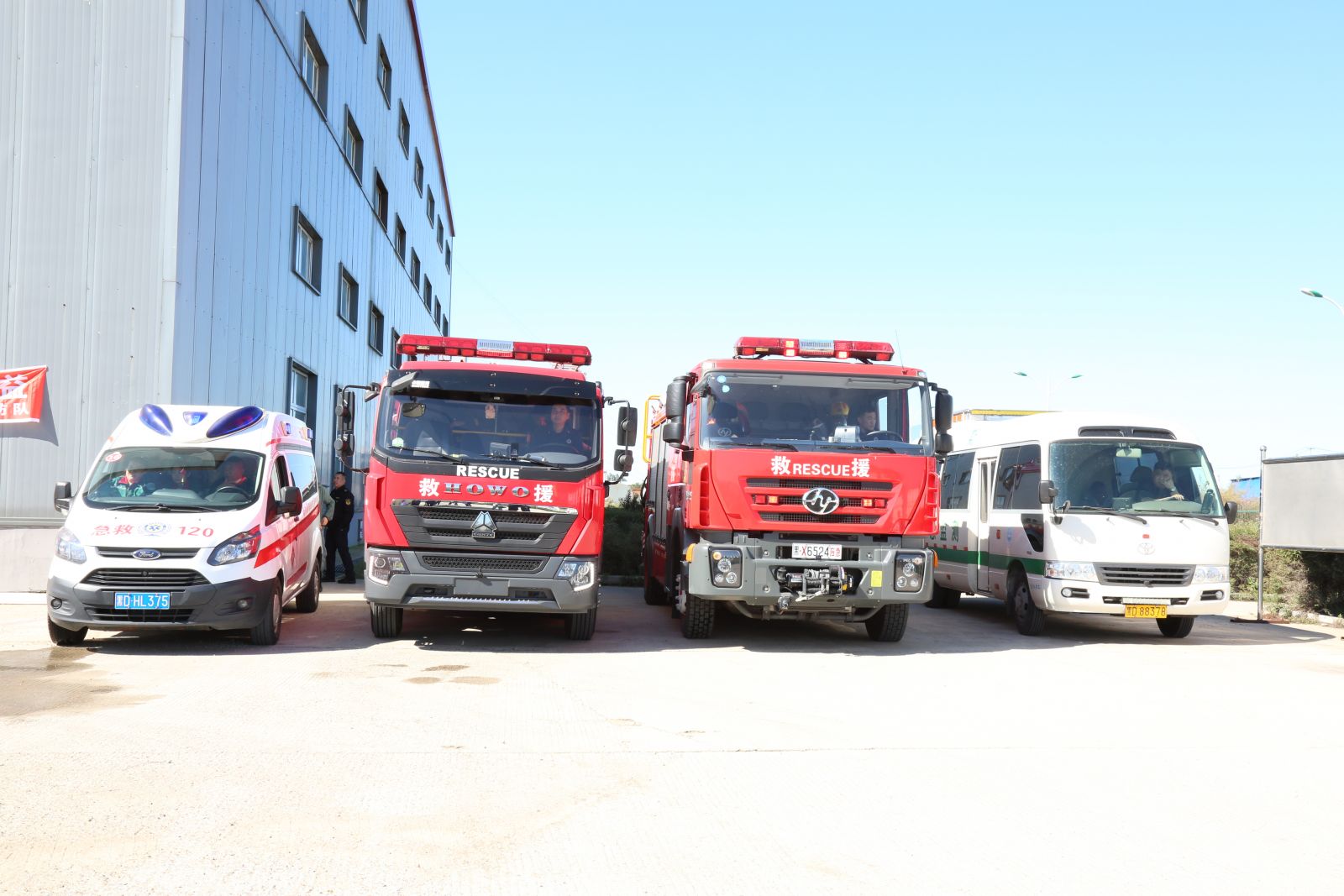
This drill was conducted in collaboration with multiple government departments and organizations, including the Service Support Center of the High-Tech Zone Chemical Industrial Park, the Governmental Full-Time Fire Brigade of the High-Tech Zone under the Jiamusi Municipal Fire and Rescue Detachment, the Municipal Ecology and Environment Bureau, the Heilongjiang Jiamusi Ecological Environment Monitoring Center, the Jiamusi Municipal Health Commission, the Dongfeng District Emergency Management Bureau, the Dongfeng District Ecology and Environment Bureau, as well as relevant enterprises within the industrial park.
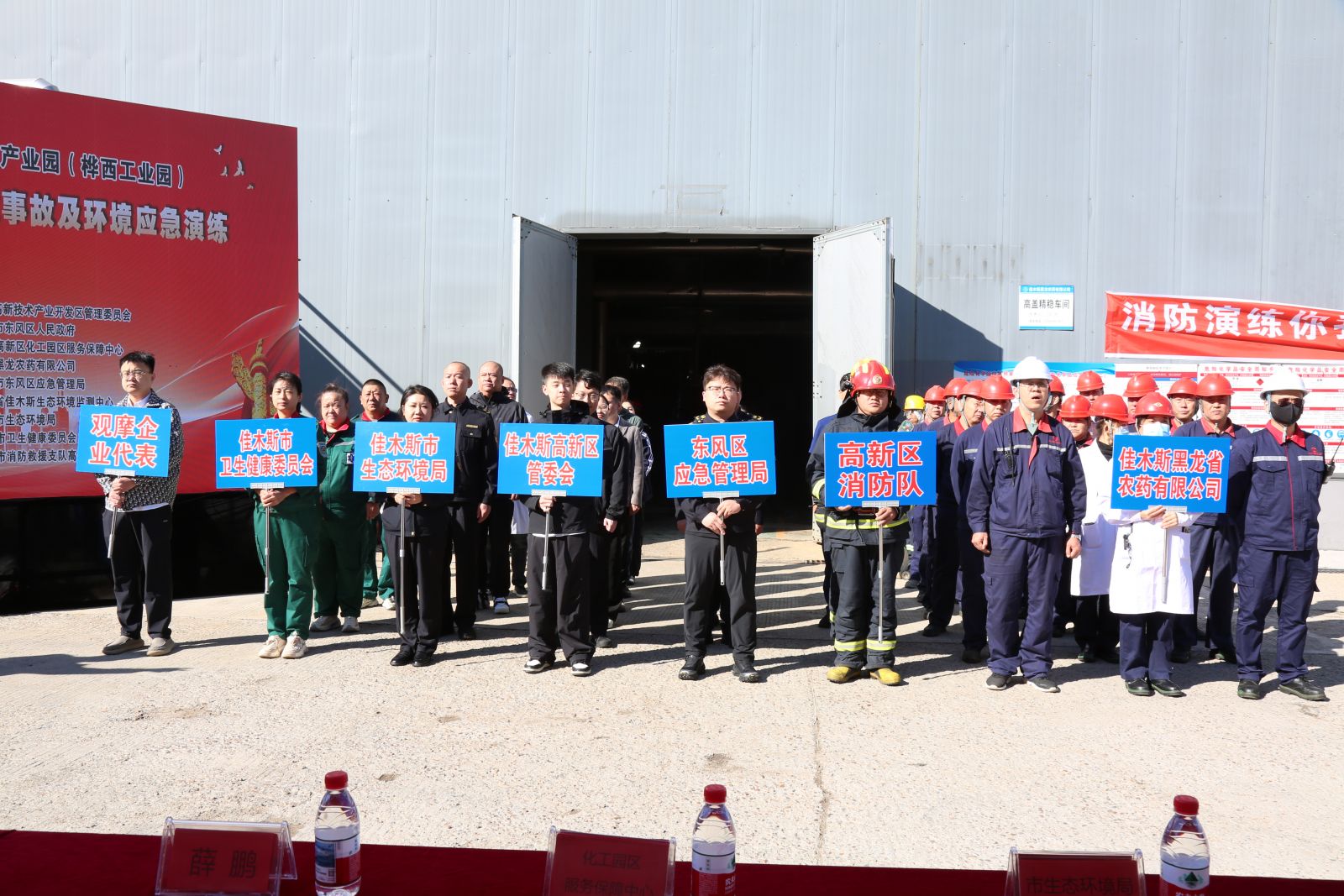
The drill was attended by invited leaders, including Comrade Xue Peng, Deputy Director of the Management Committee of Jiamusi High-Tech Zone, and Comrade Yang Desong, Executive Deputy District Mayor of the People's Government of Dongfeng District, Jiamusi City.
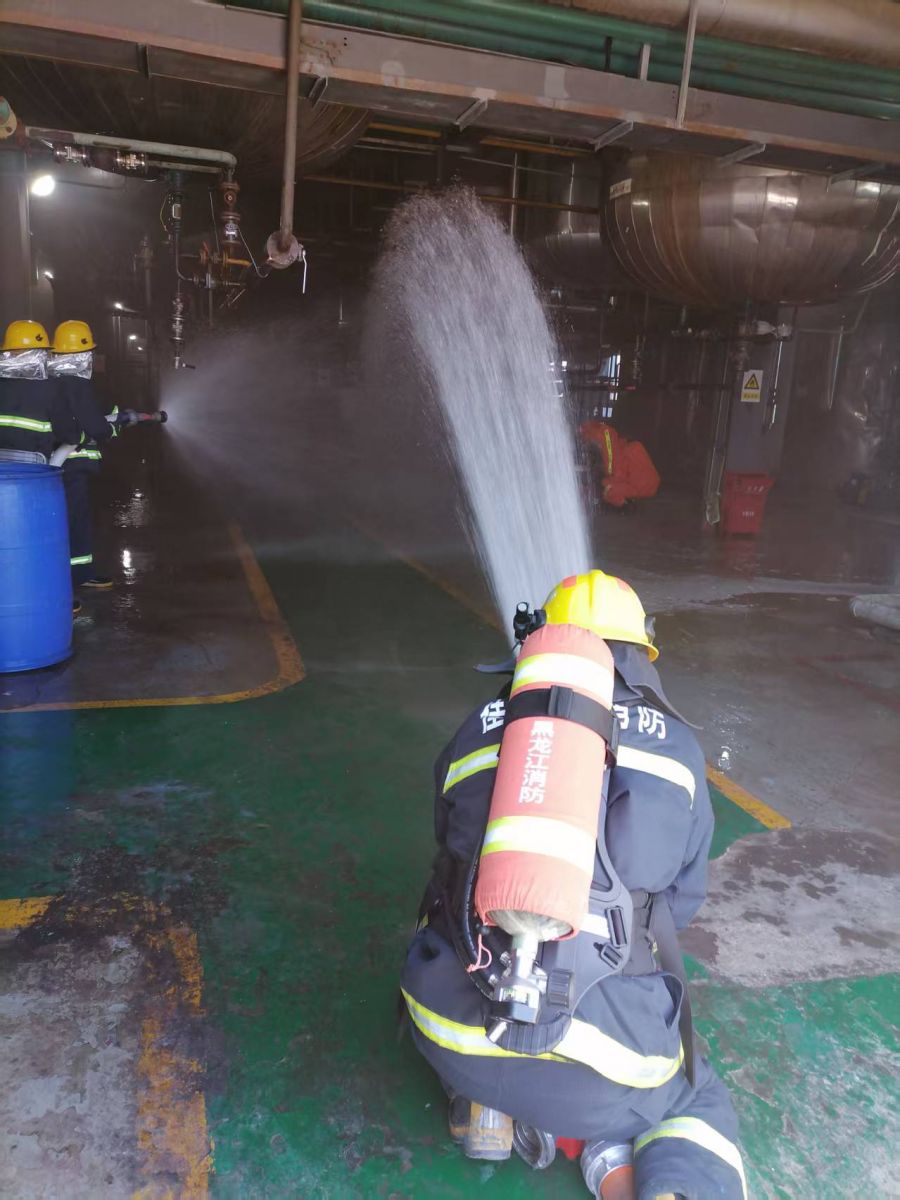
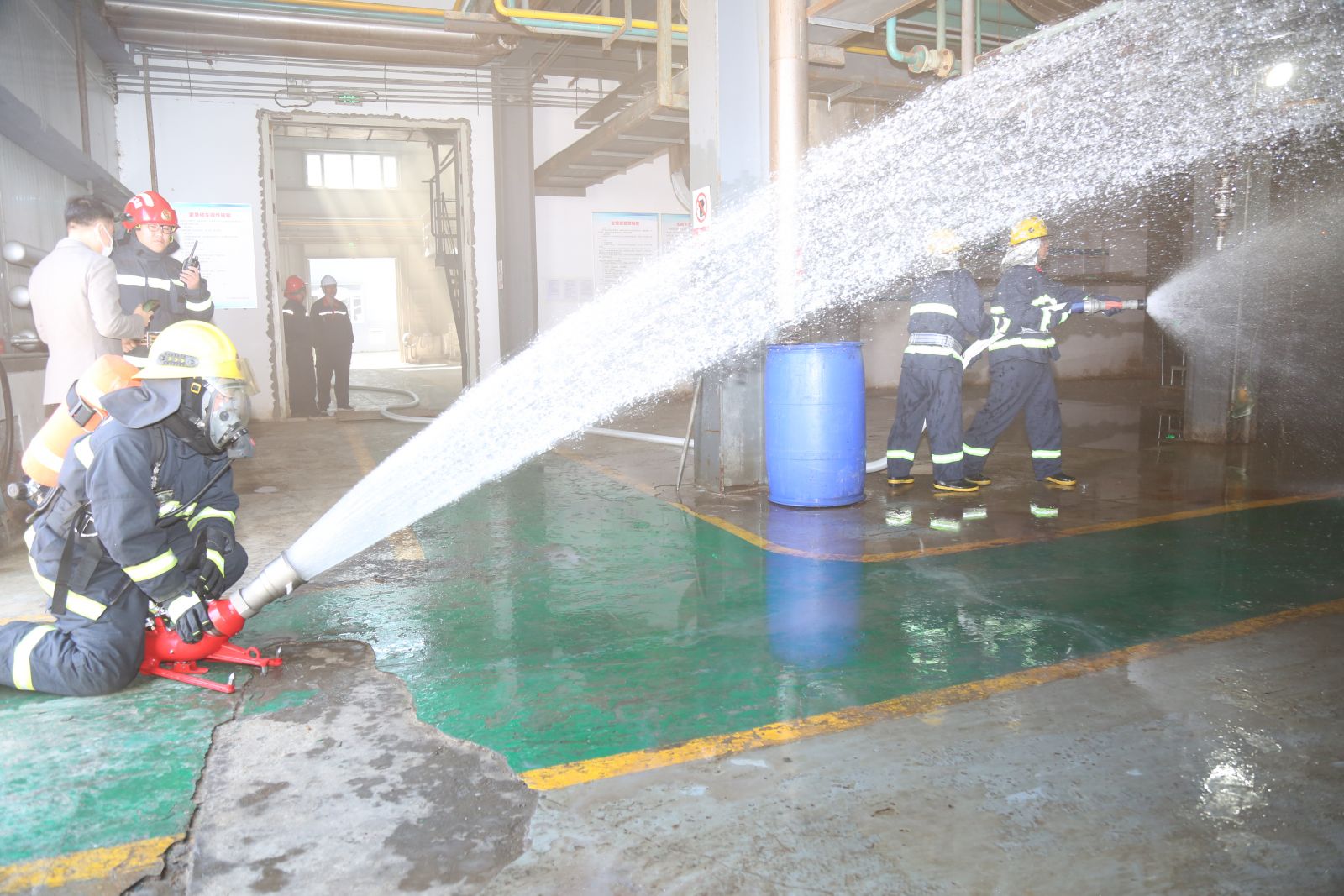
An emergency drill is by no means a mere "formality" or a staged performance — it is a real-world training ground for enterprises to test their emergency management systems and sharpen their response capabilities. Through the regular conduct of emergency drills, the feasibility of emergency plans can be validated, shortcomings such as ambiguous procedures, unclear responsibilities, and insufficient resource allocation can be identified, and timely revisions and improvements can be made to ensure that plans are effectively implemented on the ground rather than remaining on paper.
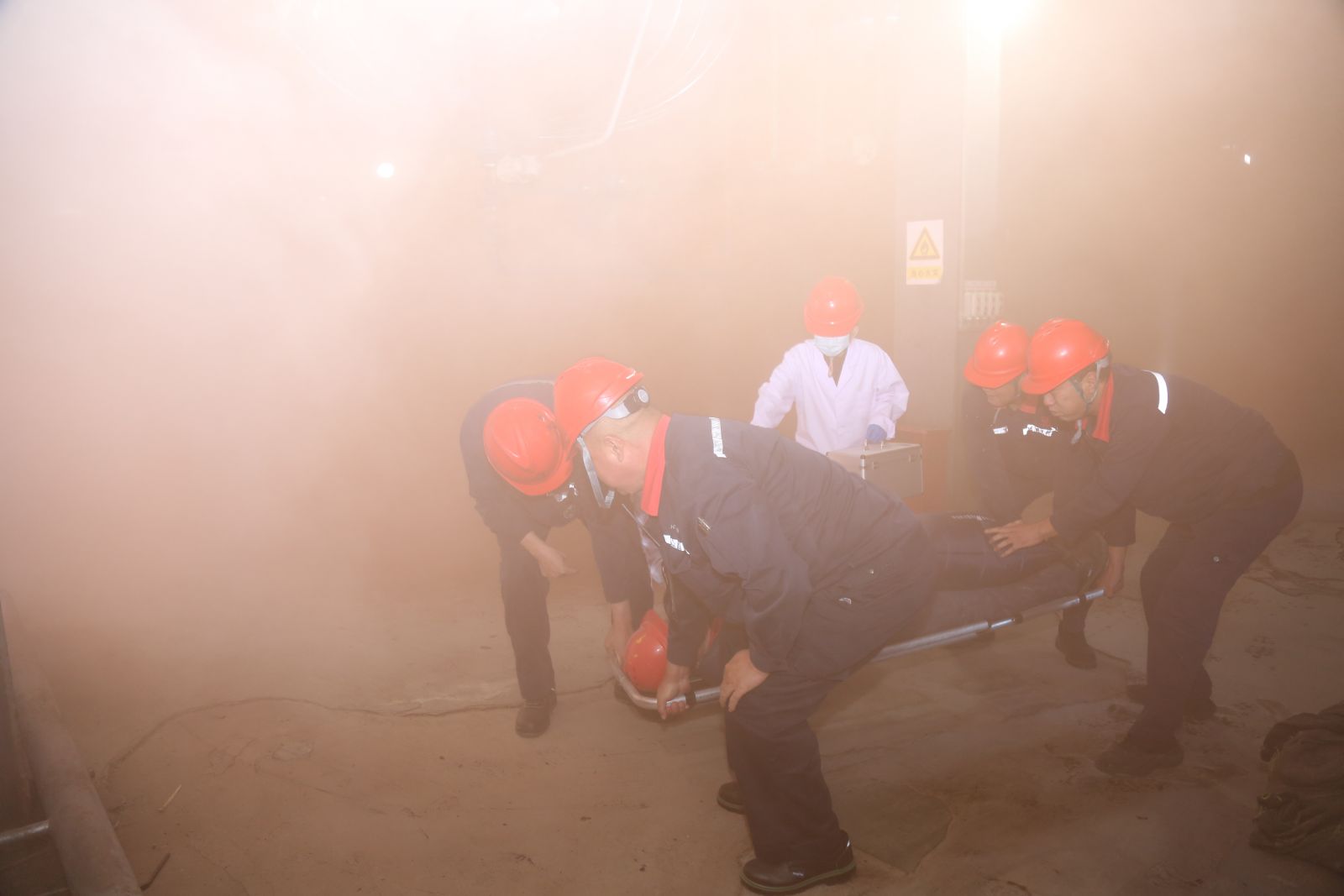
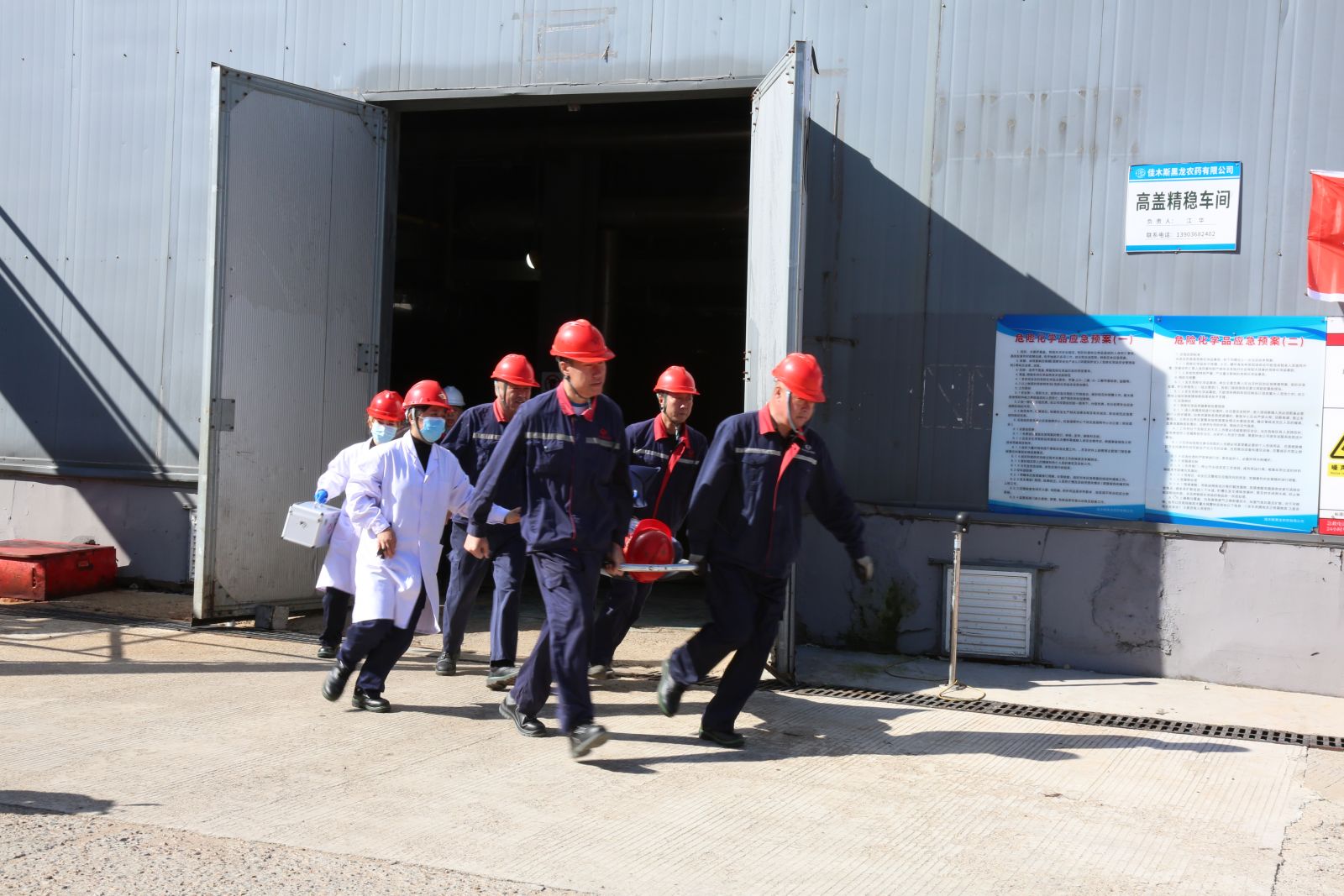
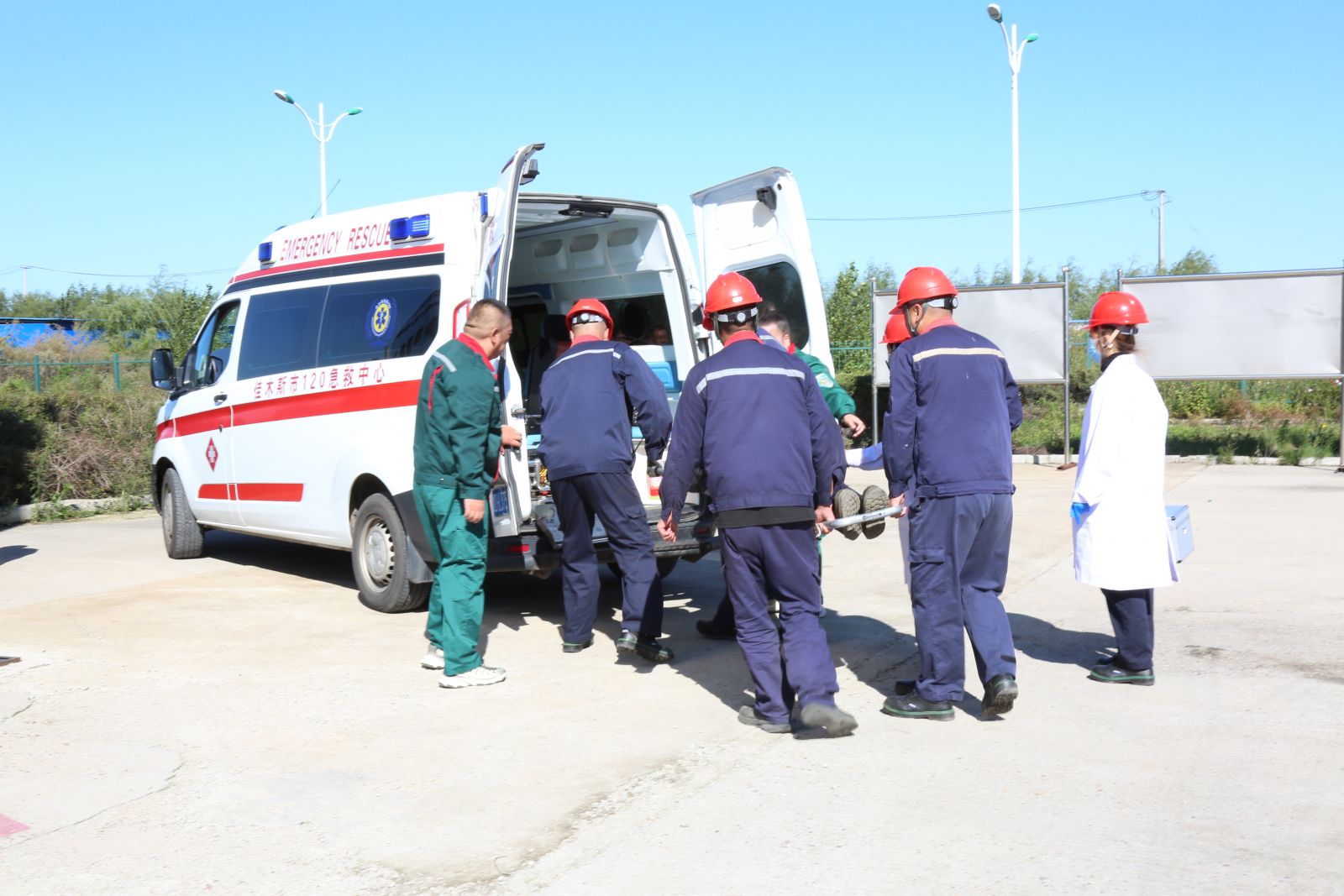
During the drill, employees gain hands-on experience in key operational skills such as emergency reporting, evacuation, initial incident containment, and first-aid treatment for the injured. This helps dispel panic and unfamiliarity when facing sudden hazards, strengthens risk awareness, and drives a fundamental shift in mindset — from "I am told to be safe" to "I know how to be safe." Meanwhile, the drill also serves to streamline cross-departmental coordination, fine-tune mechanisms for command dispatch, information relay, and multi-party cooperation, and ultimately shorten emergency response times.
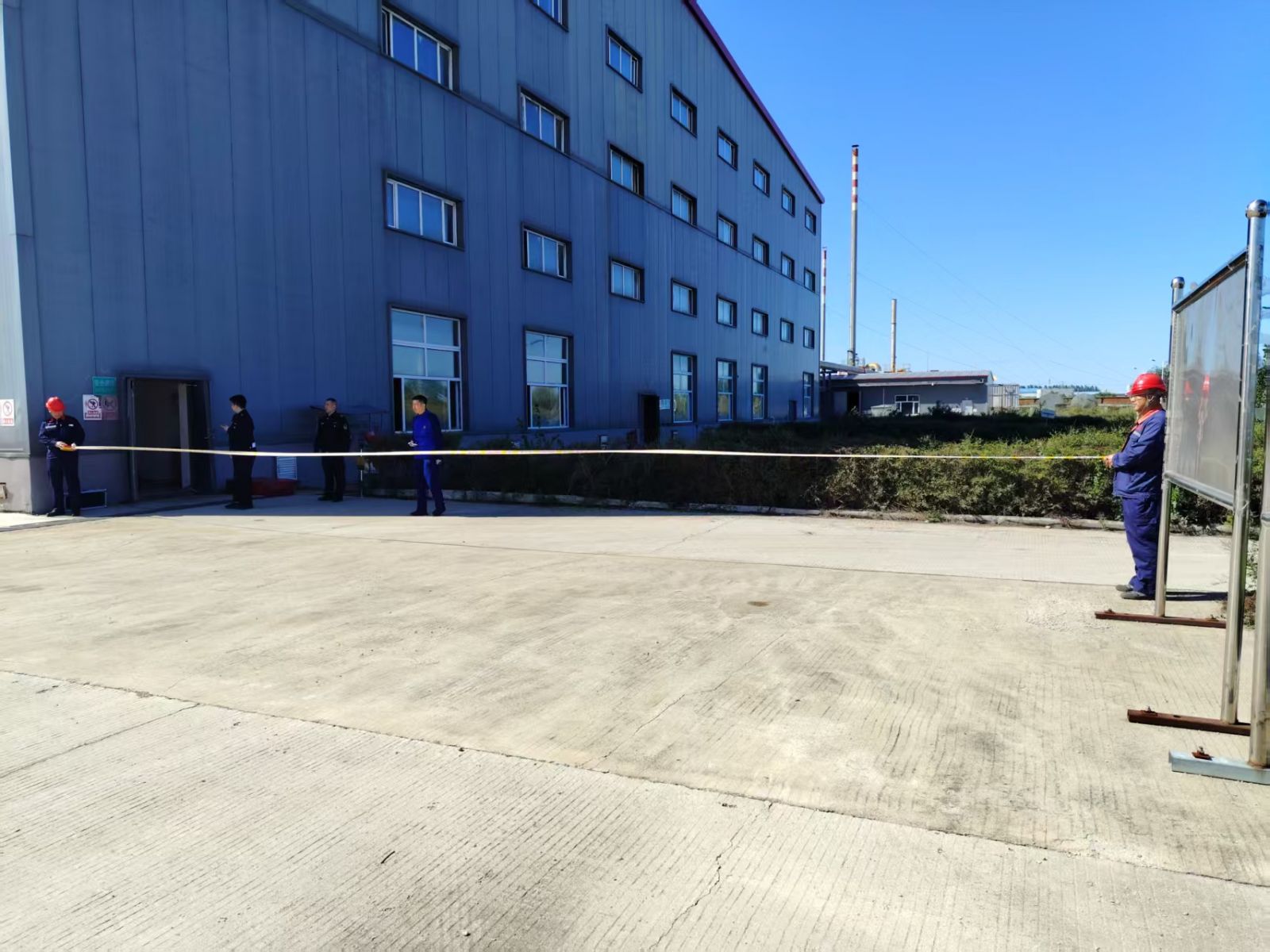
Drills before incidents mean composure during incidents. By consistently carrying out rigorous emergency drills, enterprises can build a solid safety foundation, minimize casualties and property losses caused by unexpected events, and provide a reliable safeguard for stable and sustainable production operations.


